Inventory Management

How to Reduce Medicine Expiry Losses

PH
Pharamos Team
02 Apr 2026
5 min read
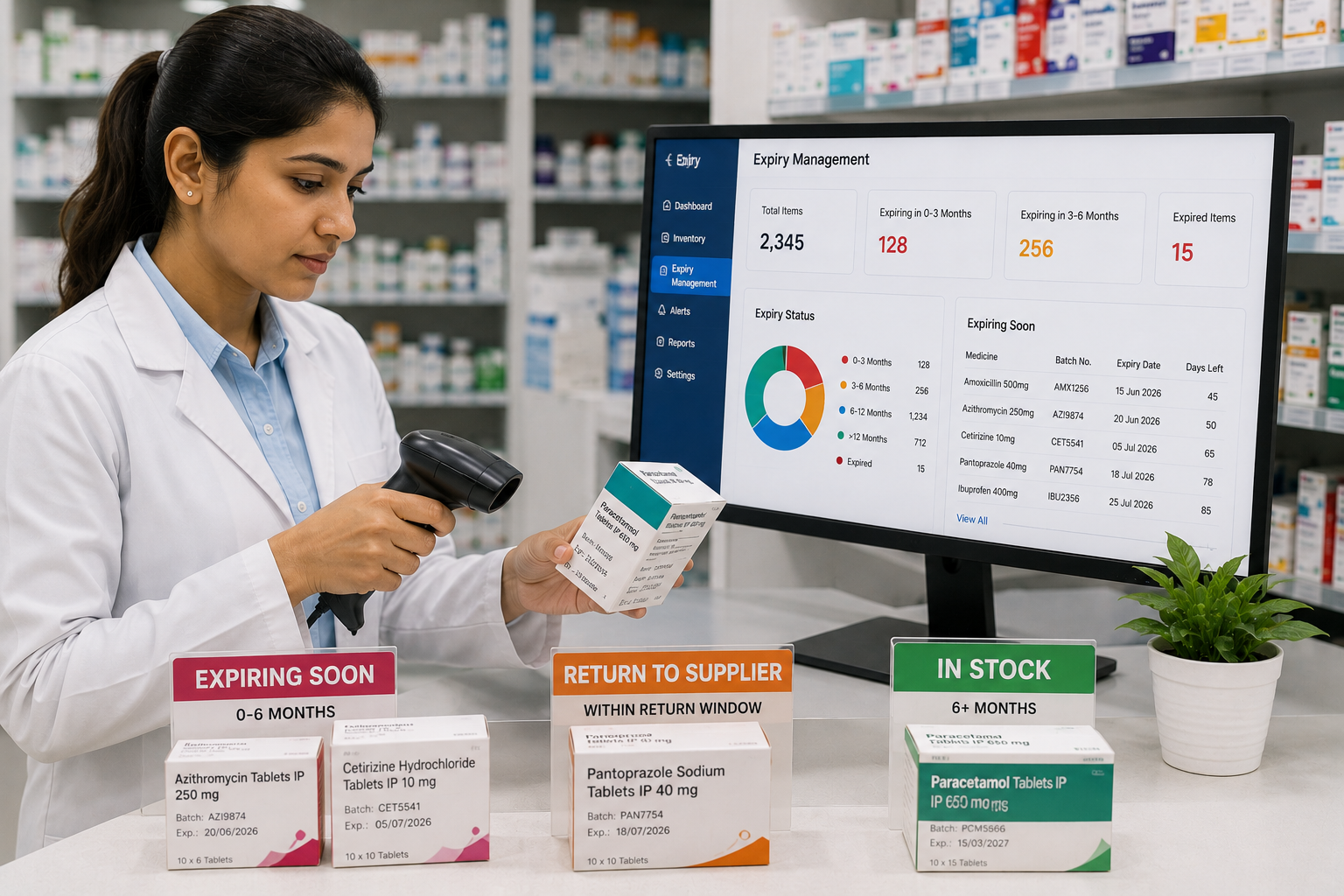
IntroductionExpired inventory represents a direct drain on a retail pharmacy's financial health. Unlike conventional retail goods, expired pharmaceutical products cannot be marked down indefinitely or sold past their strict clearance dates; they become a total financial loss and pose legal liabilities. Minimizing product expiration waste is essential for protecting your profit margins. This guide covers how to set up proactive monitoring pipelines to eliminate expiration losses and protect your business bottom line.The Core Problem StatementMany traditional medical stores do not track incoming stock by specific batch attributes or expiration dates. When new shipments arrive, items are frequently placed on shelves without checking the dates of the stock already there. Without automated system alerts, short-dated medicines can easily get pushed to the back of dark shelves, sitting forgotten until they expire. This lack of organization forces pharmacies to absorb high write-off costs and complicates supplier return claims, which often have strict processing timelines.Real-World Operational ExampleConsider an independent pharmacy that stocks an expensive, specialized specialty medication costing $250 per box. The pharmacy purchases a batch of five boxes but handles sales using manual, unmonitored workflows. When restocking, a team member places three new boxes with a two-year shelf life right in front of two older boxes that expire in three months. Over the next few weeks, the staff repeatedly pulls the front boxes for customer sales. By the time someone notices the older boxes at the back, they have already expired. The distributor refuses to accept them for credit because the supplier's ninety-day return window has closed, forcing the pharmacy to take an immediate $500 financial loss on just one product line.Key Benefits of Proactive Expiry ManagementImmediate Reductions in Stock Waste: Stop losing money on expired medicines by catching and managing short-dated stock early.Streamlined Distributor Return Claims: Receive early reminders to return slow-moving items within your suppliers' credit windows.Safer Patient Checkout Workflows: Prevent human errors by configuring your system to block the sale of expired items at checkout.Optimized Capital Allocation: Stop tying up your operational cash flow in slow-moving items that are at risk of expiring unsold.Easier Regulatory Compliance Audits: Keep your shelves organized and compliant with healthcare storage laws using clean digital logs.Step-by-Step Expiry Prevention PlanStep 1: Enforce Strict Batch Intake RulesRequire your inventory team to enter the exact batch number and expiration date for every medicine line during stock intake. Use barcode scanners to record this information quickly and accurately into your central database.Step 2: Use First-In, First-Out Stock RotationTrain your staff to practice strict First-In, First-Out (FIFO) stock rotation. Always place newer inventory shipments behind older stock on your shelves to ensure items with shorter dates sell first.Step 3: Monitor Automated Short-Dated AlertsSet up your management software to flag items approaching their expiration dates within three to six months. Review these automated reports regularly to identify stock that needs immediate attention.Step 4: Execute Returns or Liquidation PromotionsAct quickly on your short-dated inventory reports. Return eligible slow-moving items to your distributors for credit, or run targeted promotions to clear remaining stock safely before it expires.Proven Best Practices for SuccessTo keep your inventory fresh, make batch-data entry a mandatory step for every inventory shipment received. Set up a dedicated shelf area in your stockroom for short-dated items, making it easy for staff to prioritize them for sales or distributor returns. Schedule a brief monthly review of your expiration reports to catch shifting trends early, and adjust your future order quantities to prevent overstocking slow-moving items.Addressing Common Implementation ChallengesThe main challenge in managing product expirations is the manual effort required to check dates on thousands of medicine boxes across your shelves. Busy pharmacy teams rarely have the time to inspect every bottle manually each week. You can solve this problem by adopting a modern system that tracks expiration dates automatically from the initial stock intake. This approach removes the guesswork, allowing your staff to focus on serving patients while the software monitors expiration dates in the background.How Pharamos Solves Your Technical ChallengesPharamos eliminates expiration losses through an intelligent, built-in Batch and Expiry Tracking System. From the moment stock enters your pharmacy, Pharamos logs its specific batch details, manufacturing code, and expiration date using automated scanning workflows. The platform features an early-warning alert system that automatically highlights short-dated products three to six months before they expire, giving you plenty of time to organize supplier returns or create sales promotions. At the point of sale, Pharamos acts as a safety shield, automatically blocking staff from scanning or billing any expired item. By automating tracking and protecting your checkout counter, Pharamos eliminates manual shelf inspections, reduces inventory waste, and protects your business from financial losses.ConclusionTracking inventory without detailed batch and expiration data leads to avoidable product waste, lost profits, and potential compliance issues. Implementing an automated, proactive tracking system helps your pharmacy eliminate waste, optimize supplier returns, and protect your bottom line.Eliminate Your Inventory Waste TodayStop losing your hard-earned profits to expired medicines and disorganized shelves. Switch to Pharamos and protect your inventory with our automated batch tracking and early warning system. Book your live demonstration today to see how Pharamos can eliminate waste and boost your profitability.
PH
Pharamos Team
Pharmacy Logistics Writer · Pharamos

Expert in pharmacy management systems, Good Pharmacy Practice (GPP) compliance, and supply chain logistics. Helping pharmacy professionals stay ahead with practical insights on digital transformation and regulatory excellence.

Previous Article
Read previous article
Keep Reading

You might also like

Ready to transform your pharmacy?

Pharamos supports GPP guidelines and GST billing — automate inventory, sync wholesaler pricing instantly, and stay audit-ready every day.