AI

Top 10 Benefits of AI in Pharmacy Management

PH
Pharamos Team
18 Feb 2026
5 min read
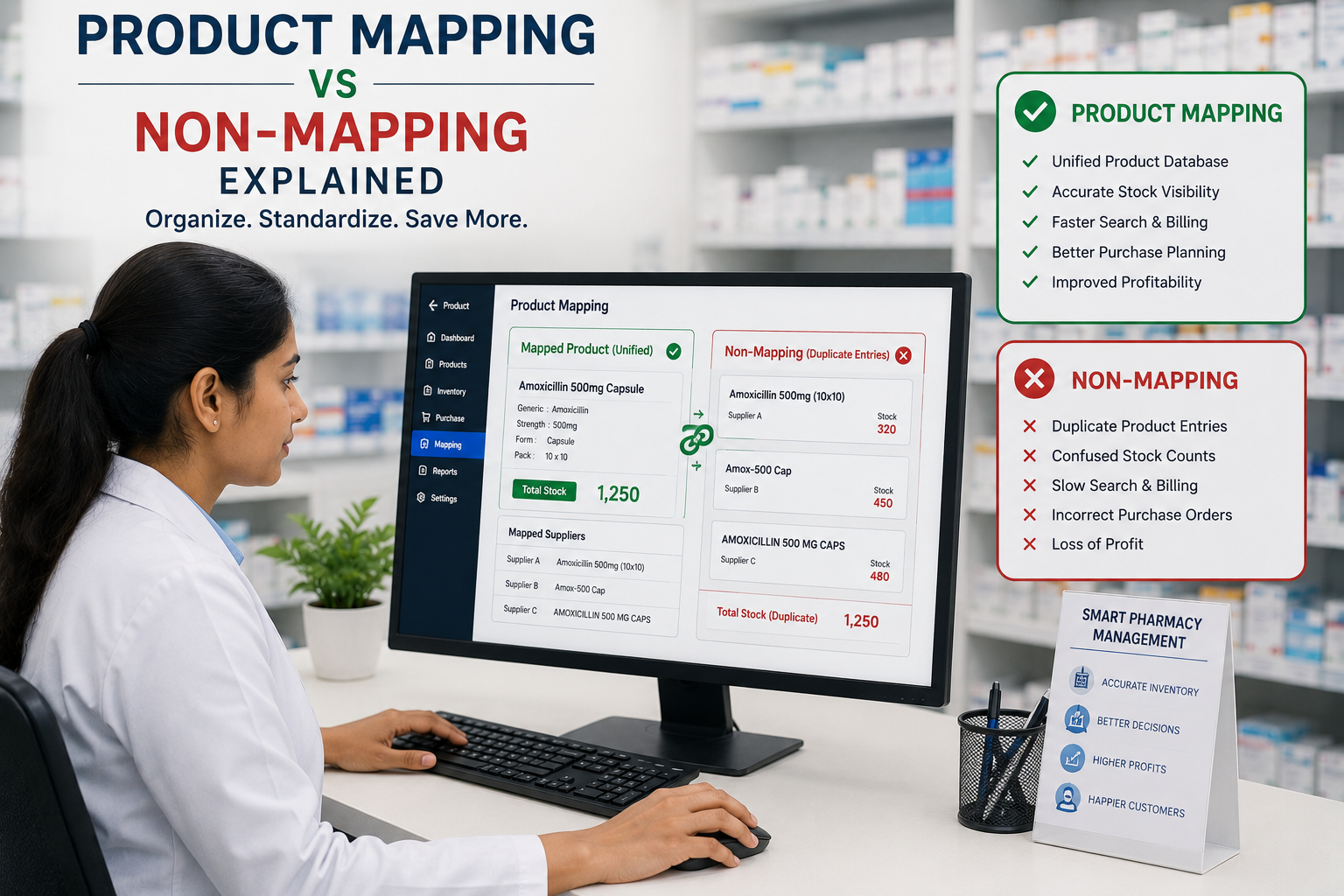
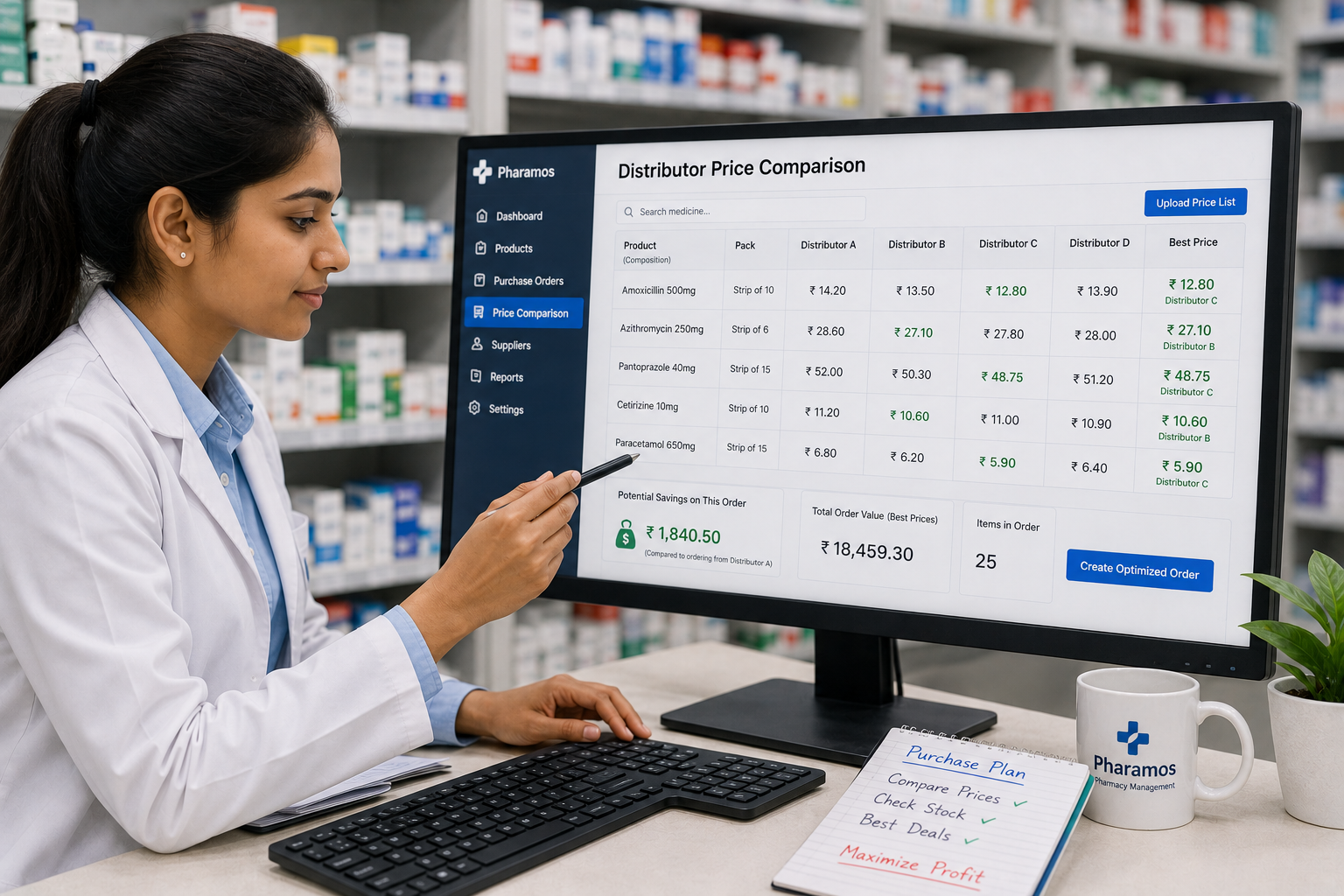
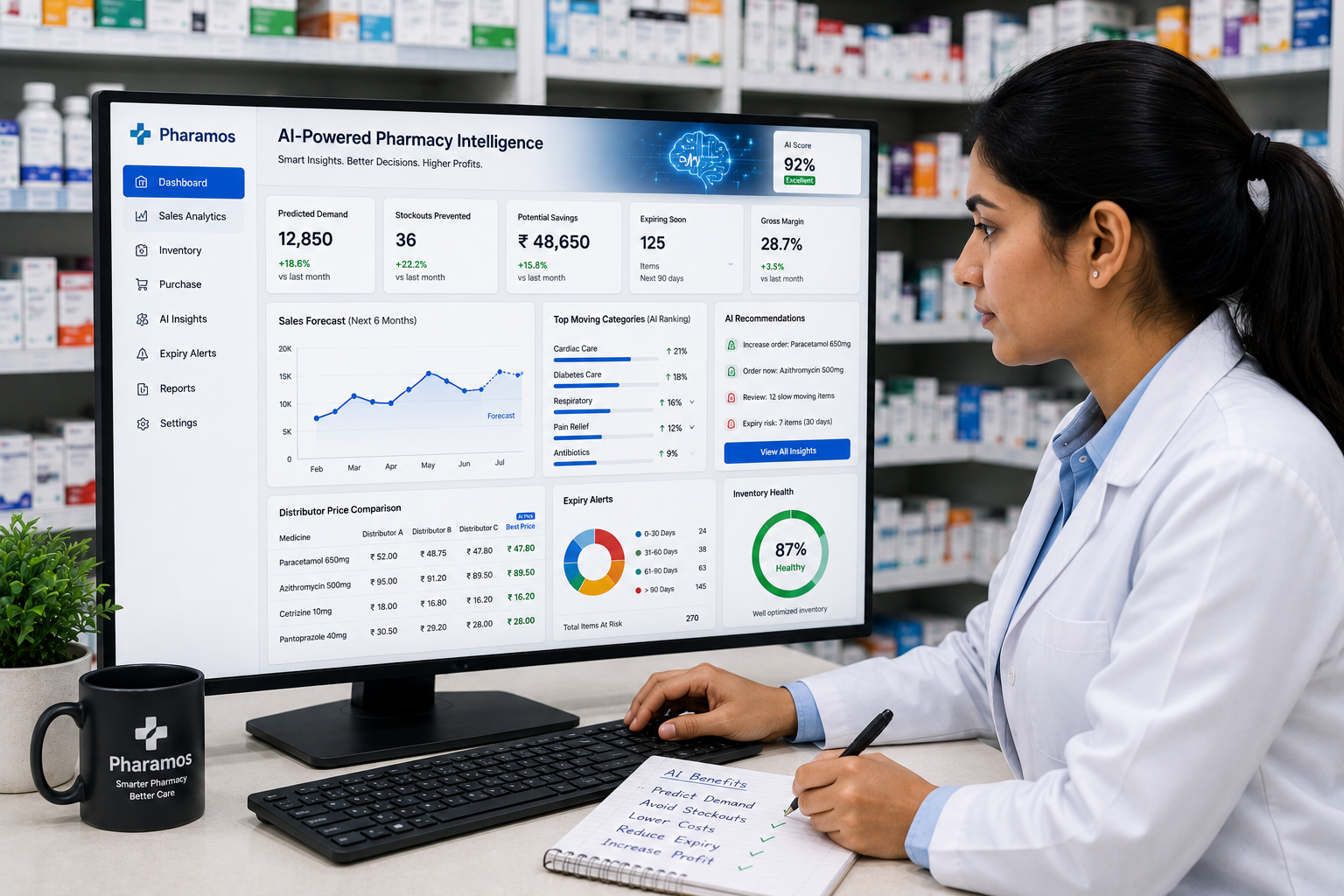
IntroductionArtificial Intelligence has moved from a futuristic concept into a practical tool for modern business growth, and the retail pharmacy sector is reaping its rewards. Pharmacies process massive amounts of complex data daily, handling everything from tracking drug batch expirations to managing shifting seasonal demands. Trying to manage these details manually often leads to human error and operational bottlenecks. Bringing artificial intelligence into your daily workflows turns complex, raw data into clear, actionable business insights, helping you run a highly efficient pharmacy.The Core Problem StatementTraditional pharmacy platforms act as passive storage systems; they hold raw numbers but fail to offer intelligent analysis or strategic guidance. Pharmacy teams are forced to manually guess future product demands, spend hours comparing distributor price sheets, and comb through spreadsheets to find short-dated items. This reliance on guesswork often results in high waste from expired items or creates sudden stockouts of critical, high-demand chronic medications. These inefficiencies reduce business profitability, increase staff workload, and can harm customer satisfaction.Real-World Operational ExampleImagine running an urban medical store during a sudden, unpredicted local health outbreak. Without predictive analytics, the pharmacy builds its weekly order sheets using basic historic sales averages from the previous quiet month. Because the old reports show low demand, the manager orders standard baseline quantities of core antiviral syrups and respiratory treatments. Within three days, a sudden surge in patient demand completely clears the shelves. The pharmacy faces a severe stockout, losing substantial revenue and leaving sick customers frustrated. Meanwhile, in the back stockroom, dozens of over-ordered skincare boxes sit unsold, quietly approaching their expiration dates and locking up vital cash flow.Top 10 Benefits of AI IntegrationPredictive Demand Forecasting: Analyze local health shifts and historical sales patterns to predict exact inventory needs before stock runs low.Automated Cost Comparison Engines: Scan and compare complex distributor price sheets instantly to find the best available procurement rates.Proactive Expiry Loss Minimization: Track short-dated stock automatically and receive early alerts to return or liquidate items before they expire.Smart Purchase Order Generation: Let the system automatically draft precise purchase orders as stock drops to calculated safety levels.Dynamic Retail Margin Controls: Adjust retail prices dynamically to protect your profit margins as wholesale costs shift in the market.Intelligent Prescription Analysis: Catch potential dosage errors, drug interactions, or processing mistakes at the billing counter automatically.Optimized Stockroom Layout Planning: Analyze cross-purchasing patterns to arrange your physical shelves for faster order picking.Automated Patient Reminders: Identify chronic-care patients running low on regular refills and send automated notifications to bring them back.Advanced Loss Prevention Audits: Monitor transaction records and stock adjustments continuously to spot internal shrinkage patterns.Comprehensive Business Forecasts: Access intelligent projections of your cash flow, revenue trends, and operational growth to guide strategy.Step-by-Step AI Implementation GuideStep 1: Unify Your Operational Data LayersEnsure that your sales histories, inventory records, and distributor details are fully consolidated into a single platform. Clean, organized data serves as the foundation for accurate AI analysis and forecasting.Step 2: Configure Predictive Forecasting TriggersActivate your system's predictive modeling tools. Allow the algorithms to analyze your sales cycles and regional health trends to create a smart, dynamic baseline for automated ordering.Step 3: Connect Live Distributor Price FeedsIntegrate your software with live supplier pricing directories. This connection enables the AI engine to evaluate costs, shipping terms, and active promotional offers in real time as you build orders.Step 4: Act on Automated InsightsReview the automated purchase drafts, inventory adjustments, and expiry alerts generated by your platform. Use these data-driven recommendations to minimize waste and optimize your working capital.Proven Best Practices for SuccessTo achieve high accuracy, allow your AI tools to collect at least three to six months of sales data to correctly identify subtle seasonal trends. Regularly compare your automated system recommendations with physical shelf audits to keep your records aligned. Keep your distributor pricing feeds fully updated so that the system's cost-saving comparison tools always work with the freshest market information.Addressing Common Implementation ChallengesA frequent concern for pharmacy owners is that AI systems might feel overly complex or require a background in data science to operate. Many worry that setting up automated features will complicate their team's established daily routines. You can avoid this friction by choosing a management platform built with a clear, user-friendly interface. Look for a system that handles complex calculations behind the scenes and presents clear, straightforward recommendations that any team member can understand and use immediately.How Pharamos Solves Your Technical ChallengesPharamos brings the practical advantages of advanced Artificial Intelligence straight to your daily pharmacy operations through an approachable, user-friendly dashboard. The Pharamos AI engine operates continuously in the background, analyzing sales patterns, predicting future product needs, and automatically drafting optimized purchase orders before your stock levels drop too low. Pharamos cuts out hours of tedious manual comparison work by instantly scanning multiple distributor price sheets and highlighting the absolute lowest-cost options for every single drug line. The platform's proactive expiry tracker alerts you to short-dated items months in advance, giving you plenty of time to return stock or run promotions. With Pharamos, you get powerful predictive tools built natively into an intuitive platform, helping you make smart, data-driven decisions that cut waste and boost profitability.ConclusionRelying on manual inventory tracking and guesswork puts modern pharmacies at risk of unexpected stockouts, high waste, and rising operational costs. Adopting built-in artificial intelligence features helps streamline your purchasing workflows, protect your business cash flow, and build a highly responsive, data-driven enterprise.Upgrade Your Pharmacy Intelligence TodayStop guessing your future stock needs and losing profit to expired inventory lines. Switch to Pharamos to leverage intelligent, built-in AI tools that optimize your workflows and protect your bottom line. Contact us today to book your personalized live system demo and see how smart automation can grow your business.
PH
Pharamos Team
Pharmacy Logistics Writer · Pharamos

Expert in pharmacy management systems, Good Pharmacy Practice (GPP) compliance, and supply chain logistics. Helping pharmacy professionals stay ahead with practical insights on digital transformation and regulatory excellence.
Previous Article
Read previous article
Keep Reading

You might also like

Ready to transform your pharmacy?

Pharamos supports GPP guidelines and GST billing — automate inventory, sync wholesaler pricing instantly, and stay audit-ready every day.